Navigating Procurement Challenges to Unlock True Value in Procurement in the rapidly evolving world
- Elsayed Elbaz
- Jul 17
- 5 min read
In the rapidly evolving world of procurement and supply chain management, the digital revolution has not only opened doors to unprecedented opportunities but also unleashed a wave of complex challenges. The promise of digital procurement is enticing: real-time intelligence, seamless processes, smarter decisions, and greater agility. Yet, for many organizations, the journey toward digital procurement excellence is paved with obstacles—technological, organizational, and human. This blog offers a deep dive into the contemporary landscape of procurement and supply chain, unmasking the real issues that must be addressed to realize the true potential of digital procurement. The insight presented here is not just about technology—it's about people, processes, and the delicate dance between rapid innovation and sustainable transformation.
Digital procurement is at the crossroads of opportunity and complexity. Let’s explore the pressing challenges that leaders and practitioners face today.
1. The Rapid Evolution of Procurement Technology
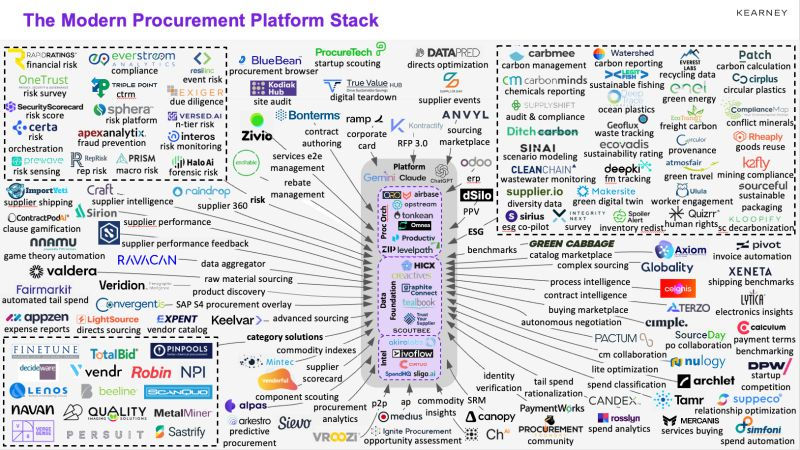
Technology in procurement is evolving at lightning speed. Every year, a fresh crop of digital procurement apps and platforms emerges, each promising to streamline processes, reduce costs, or unlock new analytical insights. This is enabled by the innovative use of API integration between legacy and traditional procurement solutions and external apps. However, keeping up with this pace is a challenge in itself. The procurement technology landscape is fragmented, with an ever increasing complex array of bespoke solutions, data formats, and integration hurdles. Organizations frequently find their tech stacks fragile—patchworked together—and lacking the agility required for today’s demands.
2. The Soaring Cost Footprint of Technology Portfolios
With the proliferation of procurement technology solutions comes a significant financial burden. Building and maintaining a portfolio of digital procurement tools involves large, recurring costs. Licensing, implementation, upgrades, integrations, and support expenses quickly add up. And with the risk of obsolescence looming over slow-to-implement systems, organizations often find themselves paying for solutions that are outdated before they’re fully deployed.
3. Managing an Expanding Supplier Base
Globalization and digital enablement have broadened supply chains, dramatically increasing the number of suppliers organizations must manage. This expansion brings opportunities for diversity and innovation but also exposes businesses to greater risk, compliance issues, and operational complexity. Effective supplier management is harder than ever, with teams juggling onboarding, performance monitoring, risk management, and relationship building across a crowded and dynamic landscape.
4. Data Deluge and Quality Challenges
Perhaps the most profound change in procurement is the explosion of data. Organizations are inundated with information from internal systems, supplier feeds, logistics partners, and third-party sources. The variety is staggering: structured and unstructured, real-time and batch, granular and aggregated. Managing this ever-increasing flood of data—especially when its quality and granularity vary wildly—poses a constant challenge. Continuous data cleaning, extraction, and transformation are now essential to making sense of it all. Without robust data governance and quality controls, inaccurate or incomplete data undermines decisions, impairs data integrity, and erodes trust in procurement intelligence.
5. The Information Speed Gap
Procurement decisions are often hamstrung by the “information speed gap”—the disconnect between the rapid pace at which real-time data arrives and the slower cycles of traditional financial reporting and analysis. Insights that could drive agility and competitive advantage are lost in the lag, and opportunities are missed in the ocean of data streaming in from all directions.
6. Underestimating the People Dimension
Digital procurement is not just about deploying new tools or platforms; it’s a profound change management challenge. Too often, organizations underestimate the importance of the human element—training, engagement, and organizational readiness. When procurement technology rollouts fail to consider people, adoption rates suffer, user satisfaction plummets, and the intended benefits remain unrealized.
7. Overestimating Technology’s Speed and Value
There’s a persistent myth that technology, on its own, can rapidly deliver transformational outcomes. In reality, implementing new procurement solutions is a journey—not a sprint. Overestimating the immediate benefits of technology leads to disappointment, unmet expectations, and wasted investments. True value comes from aligning technology with business processes, upskilling people, and fostering a culture of continuous improvement.
8. The 3Vs of Data: Volume, Velocity, and Variability
At any given moment, procurement is grappling with an overwhelming volume of data, generated at breakneck velocity and with tremendous variability. This data onslaught makes it nearly impossible to manage information effectively without sophisticated tools and skilled analysts. The challenge is not just storing or retrieving data—it’s deriving timely, actionable insight from it.
9. Talent Shortages and Skills Gaps
Effective digital procurement requires advanced skillsets: data science, analytics, AI, risk management, and more. Yet, skilled professionals are in short supply, and those available are often overwhelmed by requests from every direction. Scenario modeling, predictive analytics, and advanced automation remain out of reach for many organizations simply because they lack the necessary in-house talent and dependency on outside consultants to perform these specialized services.
10. The Reality of Fragmented Data Silos
Isolated data silos, poor data governance, and inconsistent standards plague many procurement organizations. The result: impaired data integrity, poor decision-making, and a loss of opportunity to optimize revenues or reduce costs. End-to-end visibility remains elusive, creating excuses for misrepresentations and missed risks.
11. AI: Hype and Hardships
AI promises to revolutionize procurement—provided organizations can leverage it against quality data in real-time. The reality, however, is more complicated. Fragmented systems, data quality issues, and integration hurdles all stand in the way. Without a clear data strategy and robust infrastructure, the power of AI remains largely untapped.
12. Process Complexity and User Experience Challenges
Over time, procurement processes have become more complicated, often due to the addition of controls and solutions that don’t fit the organization’s needs. This complexity confuses users, discourages enrollment in new technologies, and results in low system adoption. When solutions take years to implement and become obsolete before they’re operational, user confidence erodes further.
13. Loss of Real-Time Visibility and Agility
Modern supply chains demand real-time insight into operational risks and rewards, yet many procurement systems lack this agility. Organizations struggle to see the full picture, track performance, and pivot quickly in response to threats or opportunities.
14. The Risk of Poor Data and Decision-Making
Hastily collected and presented procurement data leads to low confidence among business users. Impaired data integrity results in poor decision-making, increased supplier and supply chain risks, non-compliance, and ultimately, lost opportunities.
15. The Agility and Adaptability Imperative
In a world of fast-changing business models and technology, procurement systems must be nimble. Unfortunately, many organizations are encumbered by legacy systems and outdated processes that stifle agility and adaptability. The result is a procurement function that struggles to keep pace with the business.
Digital Procurement Done Right
The future of procurement is digital, but success is not guaranteed. To unlock the true value of digital procurement, organizations must recognize and address the myriad challenges—technological, human, and operational—that define today’s landscape. This requires clear vision, robust change management, investment in skills and talent, and a relentless focus on data quality, governance, and user experience. Digital procurement done right isn’t about chasing the latest app or climbing aboard every technological bandwagon. It’s about designing systems—and cultures—that are resilient, adaptable, and truly centered on the needs of the business and its people. By facing these contemporary challenges head-on, procurement leaders and practitioners can transform complexity into opportunity and move confidently toward a smarter, more agile future.
Sid Elbaz, a senior procurement practitioner and analyst. Email: info@elbazconsultancy.com for further inquires about how to address these challenge.


Comments